Natural Cures for Alcoholism
The Biochemical Approach
Many people may be surprised to learn that there are effective natural cures for alcoholism. Not only that, they are much more successful at enabling one to achievee long-term sobriety than traditional treatment.
However it's not as simple as taking one herb, vitamin or natural remedy. It involves a combination of complex factors that heal brain chemistry.
It also involves making drastic changes in one's diet, lifestyle and belief system.
The Biochemical Approach
With the biochemical approach to alcoholism the causes of alcoholism are believed to be predetermined by body chemistry. You are either born with certain biochemical vulnerabilities or develop them later. Therefore, recovery uses natural cures for alcoholism that address healing at the biochemical level.
Alcoholism is a result of imbalanced and/or deficient neurotransmitters in the brain that are caused by deficiencies in nutrients, poor diet, allergy, hypoglycemia, environmental toxins, genetics, chronic stress, brain trauma like concussions, child abuse and neglect and hypothyroidism.
The goal of the biochemical approach is to restore balance to the neurotransmitters and repair brain chemistry. When this is done, then cravings for alcohol, and any other addictive substance, disappear and staying sober is no longer a struggle.
If biochemical repairs are ignored, they sabotage the individuals sobriety.
The biochemical approach to alcoholism is grounded in solid research by some of the worlds most brilliant and acclaimed scientists.
It is the ultimate treatment in natural cures for alcoholism. You can't be more natural than beginning with brain chemistry.
The biochemical approach does not dismiss other treatment modalities such as counseling or spiritual growth, but it combines them for a much more effective approach.
Treatment that incorporates a Biochemical Approach may consist of the following:
- Medical Treatment
- Dietary or Nutritional Counseling
- Meal Planning
- Psychological Counseling
- Spiritual Activities like Meditation, Yoga or Nature Time
There are Three Phases in Biochemical Repairs
- Detox
- Repairing the Damage
- Aftercare
The following Substances must be Removed Permanently for Successful Long-Term Sobriety
- Recreational and Prescription-Based Mind Altering Drugs
- Alcohol
- Caffeine. Caffeine is a drug that perpetuates the cycle of addiction because it affects the neurotransmitters in the reward pathway in the brain in the same manner as drugs and alcohol and it aggravates and promotes hypoglycemia.
- Sugar. Sugar is also a drug that impacts the neurotransmitters in the brain in the same manner as as hard drugs and alcohol. Alcohol is a sugar that reaches the brain very quickly. If you continue to eat sugar, it leads to cravings for alcohol. Sugar also feeds Candida yeast and perpetuates hypoglycemia.
- Nicotine. Nicotine is a drug that also perpetuates the cycle of addiction by altering the neurotransmitters in the brain and it too aggravates and promotes hypoglycemia.
Hypoglycemia, also known as low blood sugar, is a metabolic disorder found in most alcoholics, that if left untreated leaves the alcoholic at high risk of relapse.
Another important factor that is a common denominator with traditional alcoholism treatment is that the person with alcoholism needs to stay away from people who drink and drug and places where alcohol and drugs will be present.
This is especially important in the early phases of recovery. Once you've achieved some biochemical repair and some stability in your sobriety, this won't be such an issue, but in the beginning it is essential.
Once you've been sober for a while, your mind clears and your life changes, you find you no longer have anything in common with people who drink and drug and you'll no longer desire to be around them. However, alcohol is found in almost every social function in our culture, so it can be hard to avoid. After making biochemical repairs, it's usually possible to be around alcohol without risk or craving.
After I had some sobriety under my belt, an occasional event such as going dancing on a date in a bar was no problem at all, but this is not something you want to do in the early phases of recovery.
Natural Cures for Alcoholism Used in the Biochemical Approach
During Detox the following supplements are used to get the individual through withdrawal, eliminate cravings and cleanse the body.
- Glutamine
- Amino Acids
- Vitamin C
- Calcium
- Magnesium
- Pancreatic Enzymes
- Multivitamin
- Multi minerals
- Essential Fatty Acids
Repairing the Damage
After the Detox phase, the individual uses natural cures for alcoholism that begin repairing the biochemical damage.
The nutrients that were used in detox will continue, but additional nutrients will be added to assist in deeper healing.
Lab tests are often used to design a protocol and develop a diet plan that will be adjusted and customized for the personal needs of each individual according to their particular body chemistry, genetic vulnerabilities and metabolic disorders.
At least one or more of the following conditions are found in all alcoholics and if left untreated can lead to relapse. The nutrient protocol and customized diet plan will assist the individual in addressing these conditions.
- Hypoglycemia
- Hypothyroidism<
- Nutritional Deficiencies
- Multiple Chemical Sensitivities
- Food Allergies
- Candida Overgrowth
- Endocrine Imbalances, like adrenal fatigue or hyperinsulinism)
- Heavy Metals
- Hormonal Imbalances
- Chronic Stress
Your nutritional protocol and diet plan will be developed depending on which condition or conditions are part of your body chemistry.
Aftercare
In the aftercare phase, close monitoring of symptoms continues. The diet plan and nutritional protocol may be adjusted several times as needs change when the body begins to heal.
It's important to understand that the changes in lifestyle and diet must be a permanent change. If the individual returns to a diet that includes sugar, nicotine and caffeine and one that promotes hypoglycemia they put themselves at risk of craving alcohol and/or drugs again and relapse.
Other individual factors may be addressed depending on each persons particular situation and experiences. Childhood sexual, emotional and physical abuse and neglect among alcoholics is quite common and if this applies to the individual it must be addressed.
Psychological counseling may be called for in a variety of circumstances to assist with coping and adjustment and any secondary causes of alcoholism that may exist.
Again all these things will be customized for the needs of the individual.
The biochemical approach uses natural cures for alcoholism that get to the root of alcoholism. However, this does not mean that it is an easier path or a short cut without any work. Success in recovery requires a great deal of commitment, determination and perseverance. There must be a true desire to stop drinking or drugging and the willingness to do whatever is required.
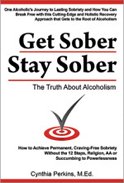
If you'd like to learn how I used the natural cures for alcoholism in the biochemical approach to achieve more than 24 years of craving-free and uninterrupted sobriety, you can read my story in Get Sober Stay Sober: The Truth About Alcoholism.
Alternatively, you can learn everything you need to know to restore balance to neurotransmitters, correct addictive biochemistry and achieve life-long sobriety in my Clean and Sober for Life Jump-Start Program. This program is available with or without one-on-one sobriety coaching.
Definition of Natural Cures for Alcoholism
It's very important to clarify that when using the word cure in relation to alcoholism, we are not talking about arriving at place where the individual can drink normally.
If your brain chemistry predisposes you to alcoholism, once an alcoholic, always an alcoholic. Social drinking or controlled drinking is not a possibility. Complete abstinence is required.
A cure from alcoholism means arriving at a place where you no longer crave alcohol or struggle to remain sober; your life is no longer controlled or destroyed by addiction and you do not relapse.
 With Sobriety Coach Cynthia Perkins, M.Ed.
Recent Articles


-
Food Addiction
Feb 12, 14 04:52 PM
Food addiction frequently occurs in conjunction with alcoholism and drug addiction, and if it is not addressed, it can result in cravings for the substance of choice and relapse. -
Effects of Child Abuse & Neglect - It's Role in Alcoholism and Addiction
Jan 14, 14 03:37 PM
The effects of child abuse and neglect are long-lasting, profound and often lead to drug addiction or alcoholism. -
Candida and Alcoholism
Dec 27, 13 09:06 PM
Understanding the candida and alcoholism connection is a crucial component to overcome cravings for alcohol and achieve successful long-term recovery.