Alcoholism Treatment with Biochemical Restoration
It is my opinion that alcoholism treatment with biochemical restoration is the most successful path for recovery because that has been my experience personally.
Although I found the traditional treatment path to be helpful with a variety of things like emotional support, people who related to my situation, hope, inspiration, a social outlet, childhood abuse issues and coping skills; it didn't relieve things like cravings, anxiety and depression.
When I used biochemical restoration methods, then cravings disappeared and have never returned in more than 27 years, and neither has the crippling anxiety attacks and depression.
What is Biochemical Restoration?
Instead of focusing on character flaws, sins, powerlessness and a higher power, you'll be focusing on restoring balance to brain chemistry, which is the true root of addiction.
Alcoholism, and addiction in general, is caused by a depletion or imbalance of neurotransmitters in the brain. The primary neurotransmitter involved in the addiction process is dopamine in the reward pathway, but others like serotonin, GABA and endorphins are involved as well depending on the substance one is addicted to.
Treatment for alcoholism or drug addiction that provides biochemical restoration will focus on restoring balance to those neurotransmitters and addressing other biochemical issues in the body that contribute to addiction.
If you are ready today to check into a treatment center that can help you achieve long-term and stable sobriety with biochemical restoration, or you would simply like to talk with someone about the possibility, then fill out the form directly below with your contact information. An addiction specialist from one of the world's finest biochemical treatment centers will give you a call back within 48 hours for a free and confidential consultation. Private insurance and financing available. No obligation to inquire.
Treatment centers with a biochemical approach use amino acids and a
variety of other vitamins and minerals to restore balance to the brain,
as well as diet and lifestyle changes.
It will look at a variety of biochemical factors like:
- Neurotransmitter Deficiencies
- Poor Diet
- Adrenal Function
- Hypoglycemia
- Heavy Metal Toxicity
- Nutritional Deficiencies
- Candida or Bacterial Overgrowth
- Food Sensitivities and Allergies
- Hormone Imbalances
- Hypothyroidism
- Chemical Sensitivities and Toxicity
Like traditional treatment, alcoholism treatment with biochemical restoration usually includes detox and aftercare, but it also focuses on repairing the damage. Treatment is likely to include:
- Avoidance of Nicotine, Caffeine and Sugar
- Nutritional Supplements
- Medical Care
- Individualized Diet and Meal Plans
- Talk Therapy
- Nutritional Counseling
- Stress Management
- Hormone Testing and Possible Replacement
- Heavy Metal Testing and Possible Treatment
- Adrenal Testing and Possible Nutritional Treatment
- Identify Metabolic Disorders
- Yoga, Meditation, Time with Nature for Spiritual Needs
- Cognitive Therapies
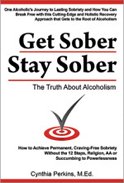
If you can't afford a treatment cent, then you can learn more about the biochemistry of addiction, by taking a look at my book or my do it yourself program.
Benefits of Biochemical Restoration
Biochemical restoration is the crucial missing piece of information in traditional recovery programs. The reason that traditional treatment with a 12 step program is so ineffective is because it does not address the roots of addiction, which is biochemistry. These are some of the primary benefits you'll be able to enjoy when you restore balance to brain chemistry:
- Stable, life-long sobriety
- Prevent relapse
- Craving-free sobriety
- Alleviate depression and anxiety
- Uncover the root of addiction
- Stop the addiction process
- No AA meetings or succumbing to powerlessness
- Improve your overall health
When alcoholism treatment with biochemical restoration is included in the path of recovery, the chances of achieving and maintaining long-term sobriety is significantly higher. The 12 step program has less than a .05 percent success rate, while biochemical treatment has a 74 to 90 percent success rate. Not only that, staying sober is not a daily battle since cravings, depression and anxiety are relieved as well.
 With Sobriety Coach Cynthia Perkins, M.Ed.
Recent Articles


-
Food Addiction
Feb 12, 14 04:52 PM
Food addiction frequently occurs in conjunction with alcoholism and drug addiction, and if it is not addressed, it can result in cravings for the substance of choice and relapse. -
Effects of Child Abuse & Neglect - It's Role in Alcoholism and Addiction
Jan 14, 14 03:37 PM
The effects of child abuse and neglect are long-lasting, profound and often lead to drug addiction or alcoholism. -
Candida and Alcoholism
Dec 27, 13 09:06 PM
Understanding the candida and alcoholism connection is a crucial component to overcome cravings for alcohol and achieve successful long-term recovery.